Nic salts or freebase: which suits your flavours
One word keeps appearing next to the strength on British labels, and it changes more than most people realise: salt. At an identical figure on the bottle, a salt liquid and a freebase liquid deliver neither the same sensation in the throat nor the same behaviour on the palate.
Many vapers discover the distinction by accident, usually with a bottle that bites too hard or not enough. So between the two forms, which one actually serves the flavours you want to taste? Nic salts and freebase answer that question very differently.
Nic salts and freebase: the real difference
Nic salts and freebase nicotine contain the same active molecule in two different chemical forms. Freebase, the historical form, produces a pronounced strike in the throat that intensifies quickly as the figure on the label climbs.
Salts are made by adding an acid that softens that strike. The result is a liquid that carries a higher figure without the corresponding rasp, which is precisely why UK retailers describe them as noticeably smoother.
In plain terms, a strongly dosed salt liquid barely prickles where a freebase liquid at the same figure would be difficult to inhale. That single difference in smoothness drives almost every choice that follows, including what happens to the flavour.
Freebase, a frank and legible hit
The freebase form remains the reference for anyone who wants the sensation to be part of the experience. Its behaviour is direct and easy to read.
It delivers a clean strike at the back of the throat, which is exactly what a good proportion of long-term vapers are looking for. Beyond a certain point, though, that hit turns aggressive and occupies the throat before the flavour ever reaches the palate.
That is why freebase liquid tends to be used at the lower end of the available strengths. It suits people who associate the gesture with a firm, deliberate sensation rather than a discreet one.
On the British shelf, freebase is also the form you will find in most shortfills once a nic shot has gone in, since those flavourless 10 ml shots are conventionally freebase.
Nic salts, a softened strike
Salts change the experience without changing the active molecule. Their whole appeal lies in the smoothness they allow at figures that would otherwise be unpleasant.
Thanks to the acid that stabilises them, salts pass through the throat gently even at the upper end of what is legally available in the United Kingdom, where nicotine-containing e-liquid is capped at 20 mg per millilitre and sold in 10 ml bottles.
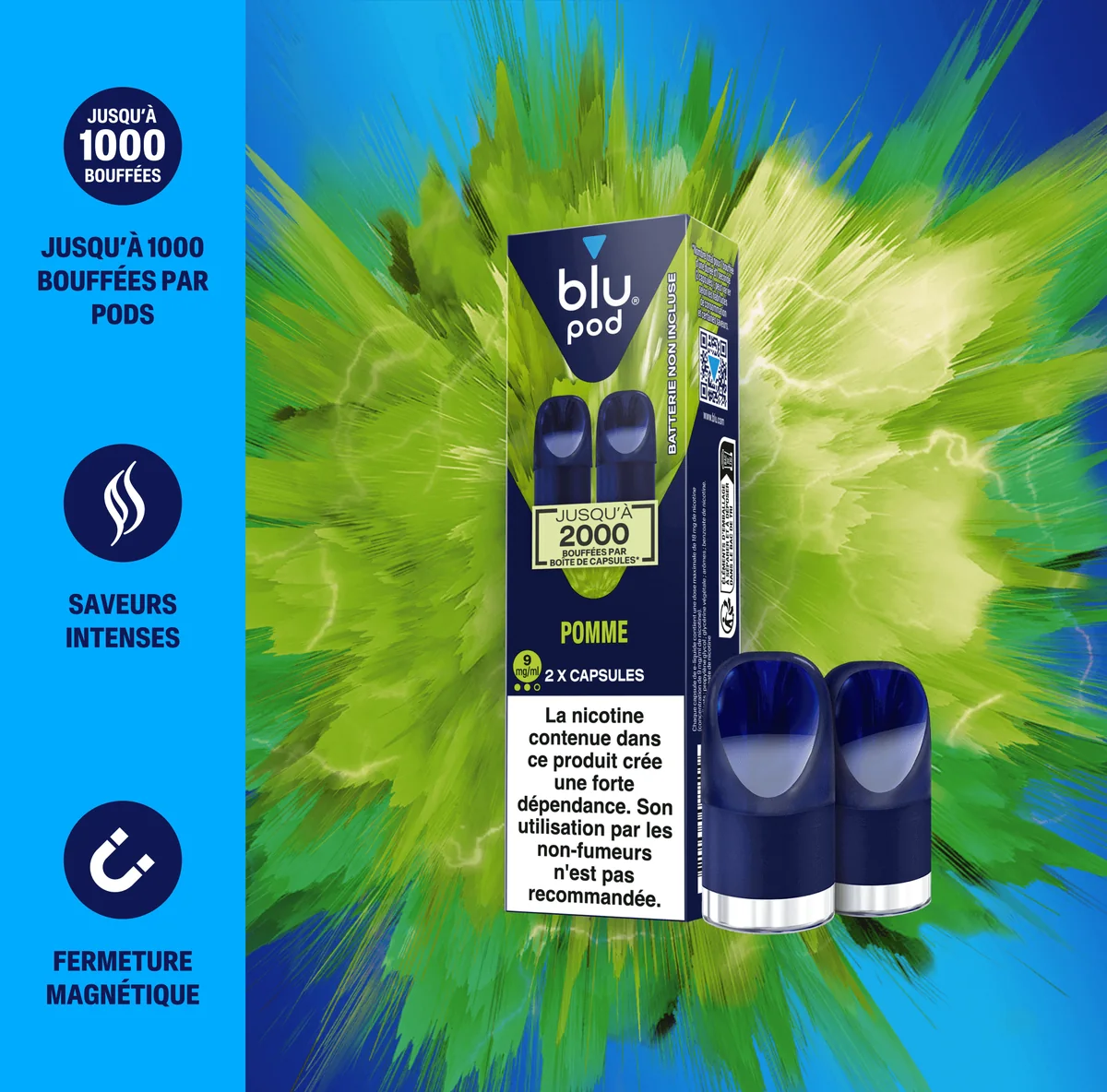
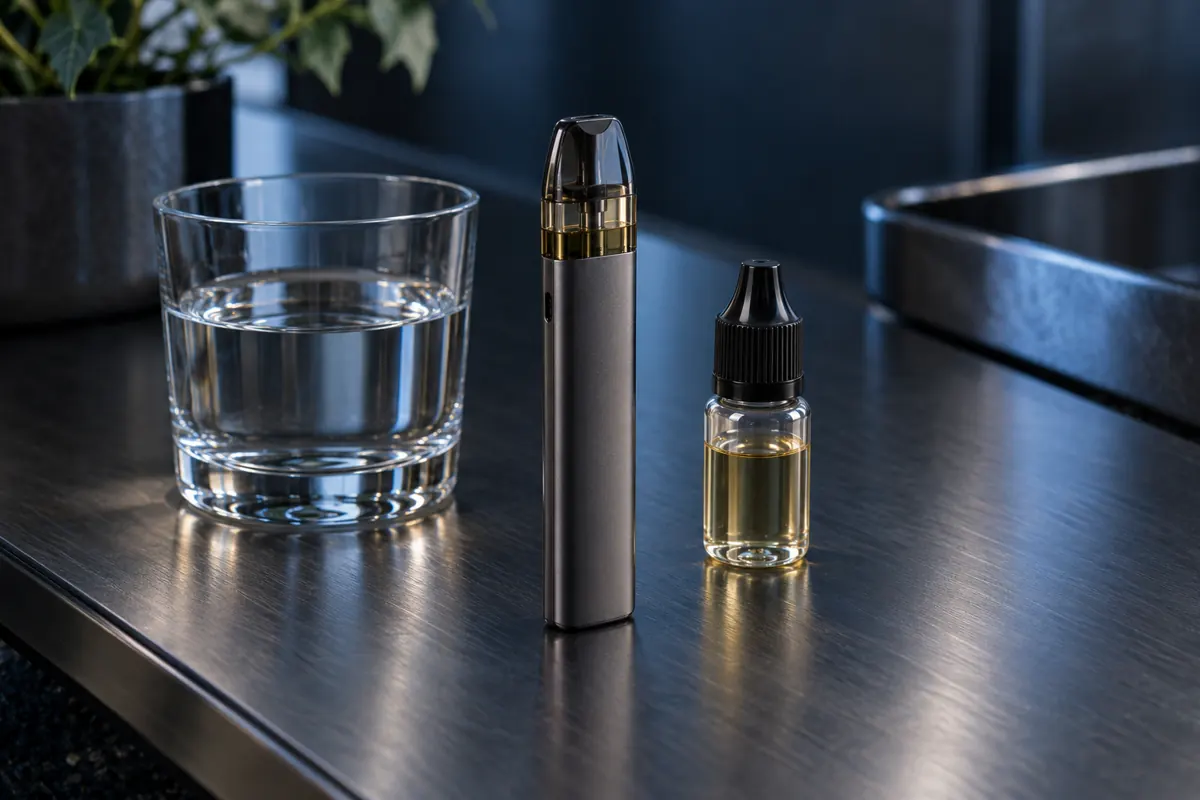
That flexibility is what made them dominant on compact hardware, where the aim is a satisfying draw from a discreet device. The pod format and the salt bottle grew up together and are sold as a pair by most UK shops.
The flip side is real. That same smoothness can read as a lack of character to anyone who genuinely enjoys the sharp edge of the freebase form, and no amount of strength will bring that edge back.
What the choice does to flavour
Here is the angle technical comparisons tend to skip: the form of nicotine also shapes what you taste. The hit and the aroma share the same draw, and they compete for attention.
A very firm strike, typical of an overdosed freebase liquid, occupies the throat and pulls attention away from the aroma. Delicate notes slide into the background without ever disappearing entirely, which is why people describe such liquids as harsh rather than bland.
By softening that strike, salts let flavours come through more roundly even at higher strengths. A sweet fruit profile or a creamy dessert note often reads better this way, while a dry tobacco or a sharp menthol copes very well with the bite of freebase.
Some UK guides argue the opposite, that salts are slightly less flavourful than freebase. Both observations can be true at once: salts remove a competing sensation but sit on bases and hardware that produce less vapour, which changes how much aroma arrives per draw.
Format and strength on the British shelf
The United Kingdom organises this more rigidly than most markets, and the format tells you almost everything before you read the label.
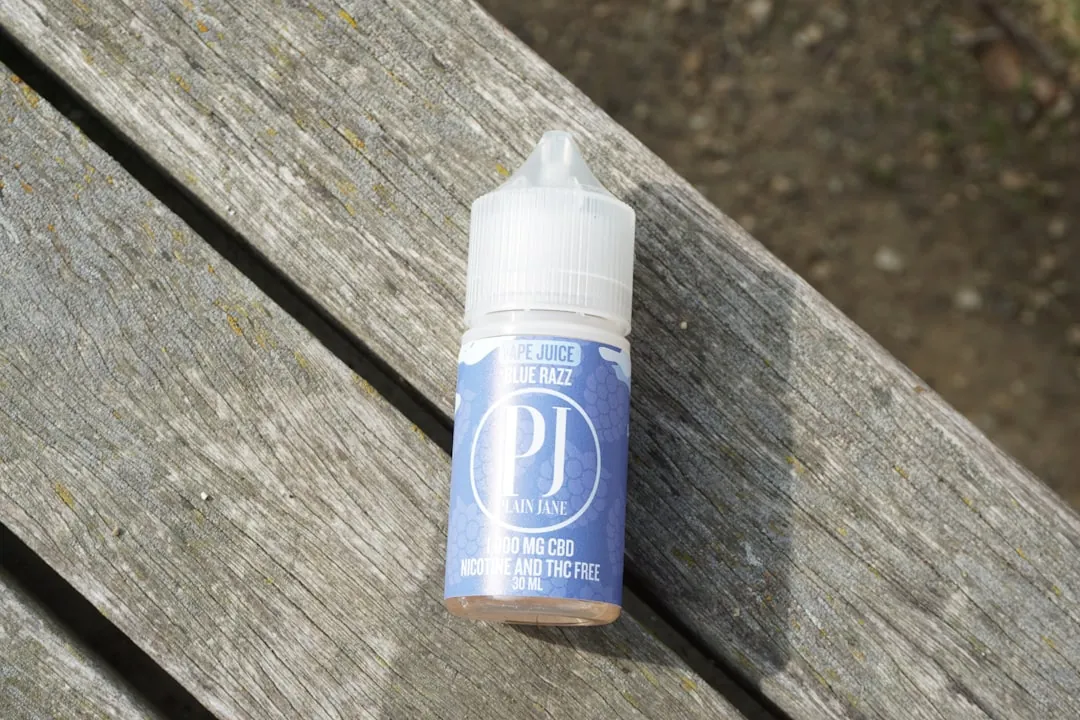
Anything containing nicotine comes in a 10 ml bottle, capped at 20 mg per millilitre. That is the home of nic salts, and it is also where lower strength freebase 10 ml bottles live for people who prefer the firmer form.
Everything bigger is a shortfill: a nicotine-free bottle deliberately underfilled so a 10 ml nic shot can be added and shaken in. Retailers publish calculators for the resulting strength because the arithmetic changes with the size of the shortfill.
The practical upshot is that a shortfill route is essentially a freebase route, while the salt route means buying finished 10 ml bottles. That is a format decision as much as a chemistry one, and it also determines your PG and VG split, since the two categories sit on different bases.
Matching form, format and hardware
The final part of the decision is the device, and it is not negotiable. Each form pairs with a type of vaping.
Salts come into their own on pods and small tight-draw devices sitting on a balanced base: little vapour, a concentrated draw, easy to carry. That is the configuration the format was designed around.
Freebase at lower strengths belongs on hardware that produces more vapour, where a high figure would be unusable anyway. Putting a strongly dosed salt liquid on a high-output device delivers far more nicotine per draw than the format ever intended, which is why UK retailers actively warn against the combination.
Getting the form, the figure and the device to agree is the basic rule of a comfortable setup, and it is worth revisiting whenever a familiar flavour suddenly seems muted rather than assuming vaper’s tongue is to blame.
Frequently asked questions
Are nic salts stronger than freebase?
They are sold at higher figures because the softened strike makes those figures tolerable, not because the molecule differs. At an identical figure, a salt prickles far less than a freebase liquid. The number on the label does not read the same way across the two forms.
Can salts and freebase be mixed?
Technically yes in home mixing, but rarely usefully. The result is an unpredictable intermediate hit. Most vapers stay on one form per bottle, chosen according to the hardware and the sensation they want.
Do salts suit high-output sub-ohm devices?
Not really. On a device producing a lot of vapour, a strongly dosed salt liquid delivers a far greater amount of nicotine per draw than intended. Salts were designed for the tight draw of a pod, not for abundant vapour.
Does a nicotine-free liquid exist in salt and freebase versions?
The question does not apply, since without nicotine there is no form to distinguish. A nicotine-free shortfill depends only on its base and its flavourings for how it behaves.
Why does my salt liquid taste less than expected?
Usually because it is on unsuitable hardware or a coil at the end of its life. The smoothness of salts puts aroma forward, but a saturated wick or a badly set wattage erases that advantage whatever form of nicotine is involved.
Choosing your form without sacrificing taste
Between nic salts and freebase there is no universal winner, only an agreement to find between the strike you want, the format you can buy and the hardware you own. Salts open flavours up gently at higher figures, freebase imposes a frank character at the lower end of the scale.
On a British shelf that agreement is unusually easy to read, because the bottle size announces the route. A 10 ml bottle points at salts, a compact device and a balanced base; a shortfill plus a shot points at freebase, a bigger device and a glycerine-heavy blend, which suits a sweet dessert profile rather differently.
Understanding that mechanism means choosing your base according to the palette of flavours you actually want to bring out, rather than copying the figure from an old bottle out of habit. Read the format first, then decide whether nic salts or freebase serves the profile you are trying to taste.
Editorial content for adult readers only. Vaping products usually contain nicotine, a substance that causes addiction. Not for sale to under-18s in the United Kingdom. This article is not a buying recommendation.